Evaluation of Current Solutions
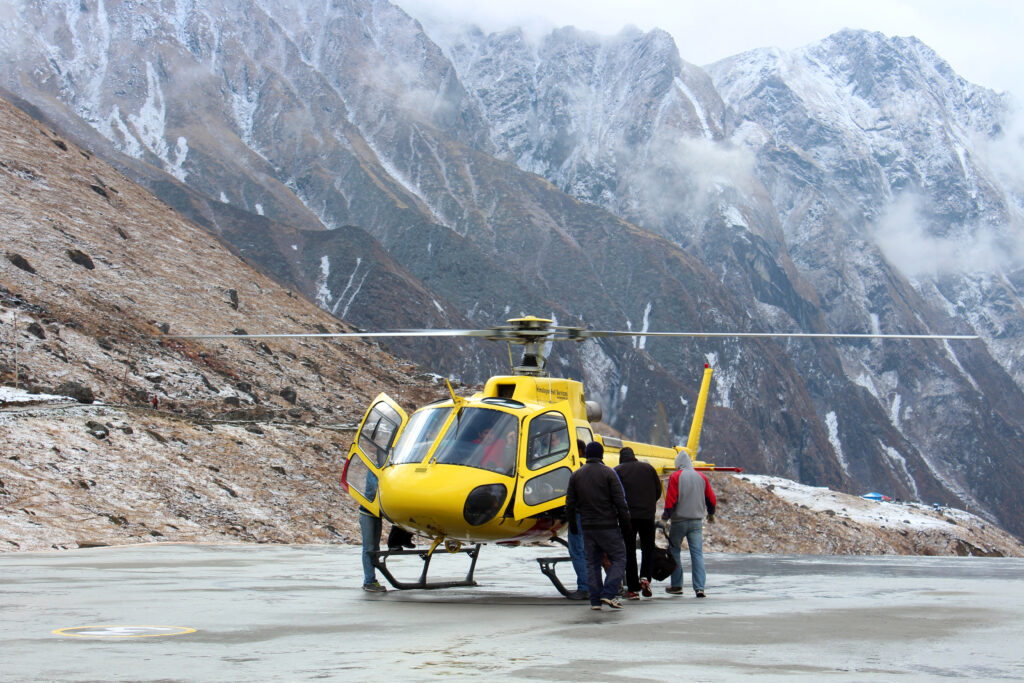
After repeated helicopter accidents in Uttarakhand and other regions, both the DGCA and state governments have taken steps to improve safety. For example, Uttarakhand’s 2025 directive requires all operators to use twin-engine helicopters and to install weather cameras at helipads (Times of India, 2025). This is seen as a strong and forward-looking safety measure. Likewise, the Ministry of Civil Aviation’s ‘Heli Disha’ guidelines encourage uniform operating procedures, regular helipad inspections, and better coordination among operators.
However, these improvements are not applied equally across the country. Different states follow different rules, and there is no single national system to ensure that all safety standards are consistently implemented. According to PwC India (2024), helicopter services could grow in a sustainable and safe way if they were included in a nationwide aviation connectivity plan supported by real-time data tools for weather monitoring and route planning.
Even though some policy reforms have been introduced, their enforcement is uneven. In many cases, authorities respond only after accidents occur instead of preventing them beforehand. Stronger, more unified oversight is needed to make helicopter tourism safer and more reliable.