Introduction
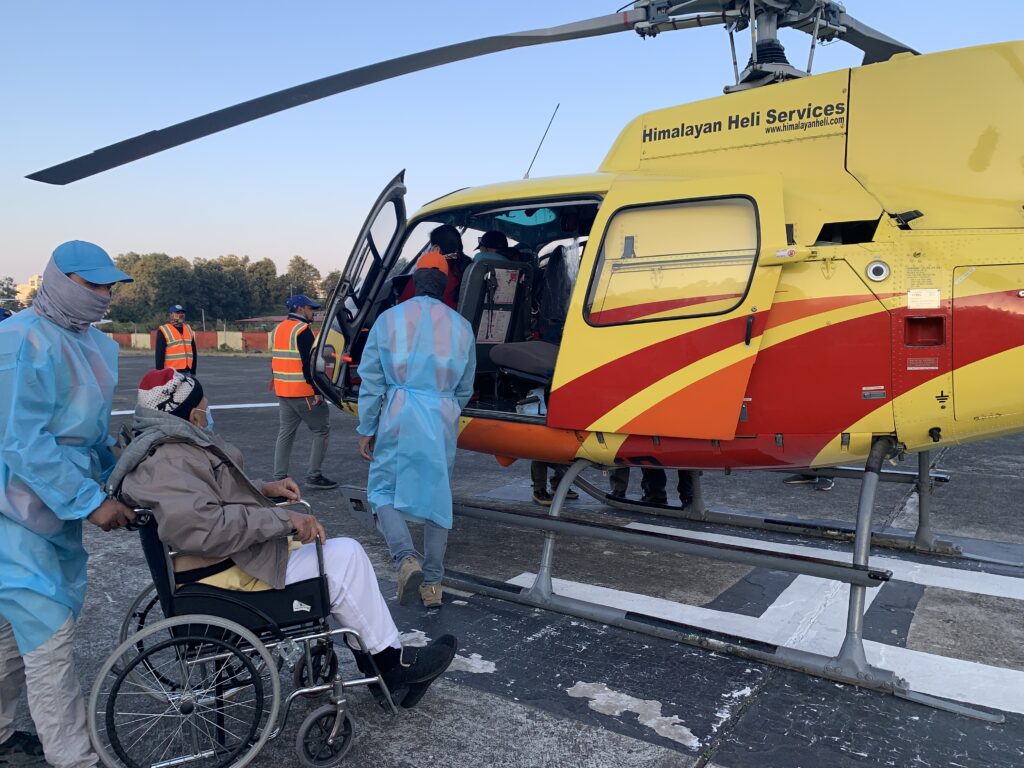
Helicopter tourism in India represents an important crossroads where accessibility, religious travel, and sustainable development come together. As India’s tourism industry continues to grow and the country’s landscape remains difficult to access in many regions, helicopters have become a vital mode of transport especially for reaching remote pilgrimage destinations like Kedarnath, Badrinath, and Amarnath. These services make travel faster, safer, and more convenient for pilgrims who might otherwise face long and challenging routes.
The Ministry of Civil Aviation (2021) has introduced the ‘Heli Disha’ framework, a policy guide designed to help state governments and helicopter operators ensure that flights are safe, efficient, and better organized. Despite these guidelines, accident reports from the Himalayan region documented by the Aircraft Accident Investigation Bureau (AAIB in 2023 and 2025) show that serious issues still remain. These include gaps in safety procedures, difficulties in handling unpredictable mountain weather, and challenges related to pilot judgment and training.
This research examines these concerns within the wider setting of tourism development, government regulation, and environmental sustainability. It aims to provide a clearer understanding of how helicopter tourism can continue to grow while improving safety standards and protecting fragile mountain ecosystems.