Overview
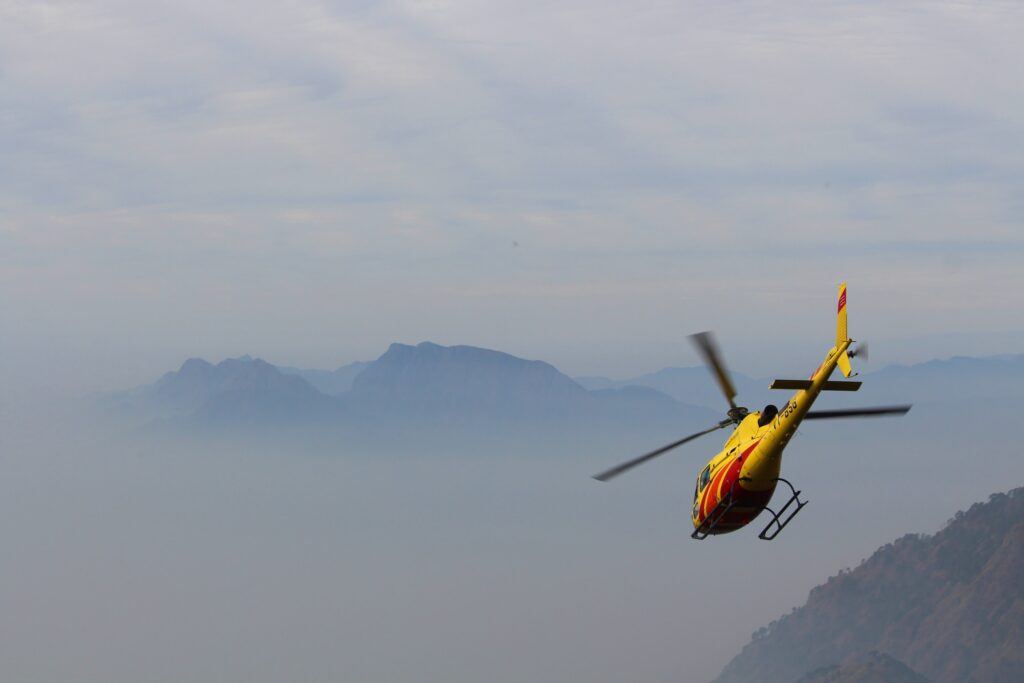
Helicopter tourism has become an important and growing way to travel in India, especially in remote areas and major pilgrimage destinations like the Himalayas and the Northeastern states. This mode of travel has improved regional connectivity, supported local economies, and increased tourism revenue. However, its rapid growth has also brought several concerns. These include issues related to safety, pressure on the environment, and the long-term sustainability of helicopter operations.
This research takes a closer look at both sides of helicopter tourism in India—the benefits it brings, as well as the problems it creates. Using reliable information from the Directorate General of Civil Aviation (DGCA), the Aircraft Accident Investigation Bureau (AAIB), and the study explores existing gaps in safety systems, reviews policy measures taken after past accidents, and highlights the need for stronger oversight.
The research also evaluates how technology and better management practices can help improve safety and reduce environmental impact. Finally, it proposes a comprehensive framework that includes improved safety management systems, the adoption of new technologies, and sustainable operational methods. The paper concludes by recommending a more coordinated approach between regulators, operators, and technology providers to ensure that helicopter tourism in India grows in a safe, efficient, and environmentally responsible way.