Proposed Solutions
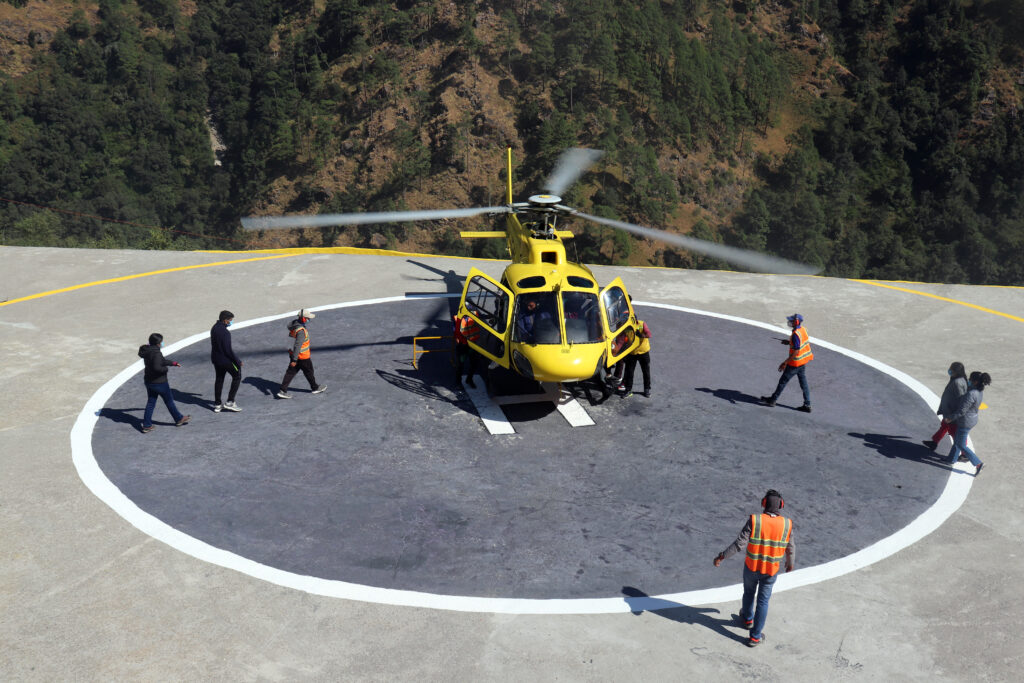
To make helicopter tourism in India truly sustainable, policies must balance economic development with strong safety standards and environmental protection.
First, India needs a single national regulatory system led by the DGCA. This would ensure that all states follow the same rules for licensing operators, inspecting aircraft, and reporting safety issues, rather than relying on separate state-level practices.
Second, technology should play a bigger role in improving safety. Real-time weather systems, satellite-based navigation tools, and predictive risk-analysis software can help pilots and operators avoid dangerous conditions. Implementing Safety Management Systems (SMS), as recommended by the International Civil Aviation Organization (ICAO), would also help create a consistent safety culture across all helicopter companies.
Third, environmental concerns must be addressed. This can include using carbon-offset programs, planning helicopter routes that avoid sensitive ecological areas, and building eco-friendly helipads equipped with noise-reduction features. Public-private partnerships can support these efforts by bringing together government agencies and private operators to invest in greener infrastructure.
Finally, it is essential to involve all stakeholders, local communities, pilgrimage boards, environmental groups, and conservation authorities in the planning and decision-making process. Their participation ensures transparency, builds trust, and helps create policies that respect both people and the environment.